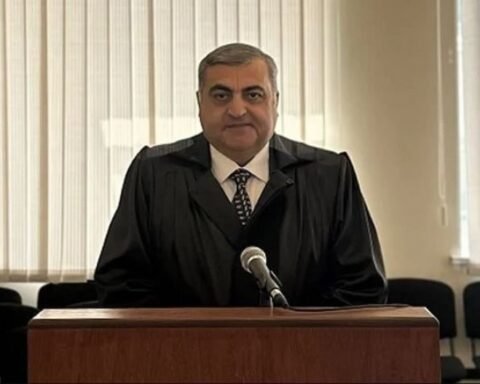

A prominent religious figure within the Armenian Apostolic Church has been handed a two-year prison sentence, a development that has drawn sharp criticism from legal observers. International attorney Robert Amsterdam highlighted the case, pointing to what he described as the misuse of judicial power to suppress political opposition.
The charges against the cleric are said to center on public statements concerning the government, raising serious questions about the state of free expression and judicial independence in the country. Amsterdam emphasized that the prosecution appears to target dissent rather than criminal conduct, signaling a worrying trend for democratic norms.
Observers note that when religious leaders face legal action for expressing concerns about national issues, it sends a chilling message to society. The situation underscores broader tensions and public discontent, which cannot be adequately addressed if critical voices are silenced.
Calls are growing for a review of the verdict to align with international human rights standards, including the European Convention on Human Rights. Legal experts stress that judicial systems must operate free from political influence to uphold the rule of law and protect fundamental freedoms.